- Flooring
Fall Flooring Prep: How to Get Your Great Falls Home Ready for Winter
August 16, 2026
Every November, we see a wave of Great Falls homeowners come into the showroom with floor problems that a little fall prep in September could have prevented. A buckled hardwood plank near the back door. Carpet that held a summer’s worth of grit and started trapping road salt within a week of the first snow. LVP seams lifting at the mudroom threshold. None of these are emergencies if you catch them in time. This fall flooring checklist for Great Falls is built for Montana’s specific conditions, not a generic to-do list from a national blog that has never dealt with a chinook wind event.
Work through these steps before the first freeze. Pierce Flooring Wholesale Direct is at 1204 7th St S in Great Falls. Call (406) 727-3832 to schedule a free in-home floor assessment before winter arrives.
Key Takeaways
- A whole-house bypass humidifier serviced and running before heating season begins is the single most protective investment a Great Falls homeowner can make for any wood or wood-fiber floor. Great Falls winters drop indoor RH to 20-25%, well below the 35-50% range all wood floors need.
- Entrance mats outside every exterior door paired with washable interior runners are the most cost-effective floor protection strategy for a Montana winter — road salt and mud tracked in on boot soles cause more cumulative floor damage than most homeowners realize.
- Professional carpet cleaning in fall removes summer traffic soil before it gets embedded under winter boot use, and sets a clean baseline for the highest-use months of the year.
- LVP and laminate seam inspections before moisture season catches edge lifting and glue failure at the one moment it is still inexpensive to fix. Water that infiltrates a lifted seam in November becomes a full-replacement problem by March.
- Pierce Flooring Wholesale Direct in Great Falls offers free in-home floor assessments — a fall visit lets their specialists identify any developing issues before Montana winter conditions accelerate them.
Why Montana’s Fall Is the Right Time for Flooring Prep
Fall in Great Falls is a transition season that most flooring operates well in. Summer humidity has eased, heating season has not fully started, and chinook events are still occasional rather than constant. That window, roughly late August through September, is the best time to inspect, clean, and address any issues across your floors.
Once October arrives, conditions change fast. A chinook event drops indoor RH by 15 to 20 points in 24 hours. The first hard freeze cycles moisture in crawl spaces and concrete slabs. Heating systems kick on and begin driving indoor humidity down toward the 20-to-25-percent range that persists through March. Any floor issue that exists in October gets significantly worse under those conditions. The prep list below is organized by floor type. Work through the sections relevant to your home.
“The calls we get in November and December for emergency floor consultations almost always trace back to something that would have been a minor fix in September. Hardwood gaps that sealed themselves in summer humidity reopening with a vengeance, seams that were barely lifting in August now popped up entirely. Fall prep is not optional in Montana. It is cheap insurance.”
– Larry Evaro, Store Manager, Pierce Flooring Wholesale Direct
Your Hardwood and Engineered Hardwood Fall Checklist
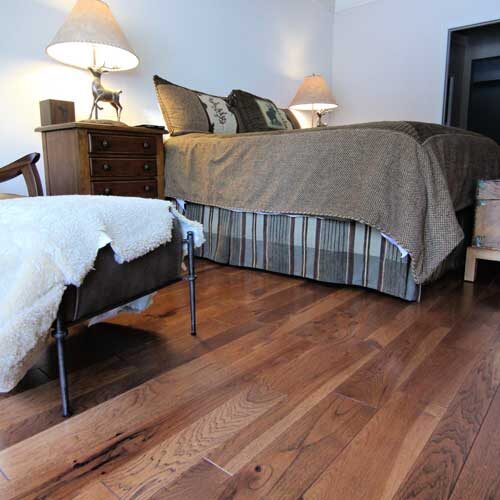
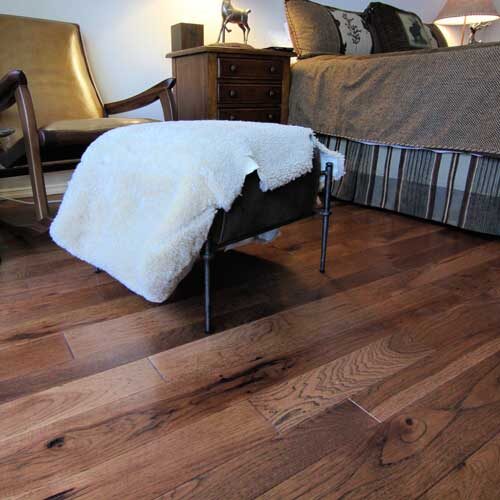
Wood floors in Great Falls take their hardest hits during the transition from fall humidity to winter dryness. These are the steps that matter.
Service or install your whole-house humidifier. This is the most important item on the list. A whole-house bypass humidifier connected to your HVAC system is the most effective tool for keeping indoor RH in the 35-to-50-percent range through winter. If you have one, schedule a maintenance check and replace the pad before heating season starts. If you do not have one, now is the right time to look into installation — before the floor starts showing the effects of winter dryness.
Inspect hardwood for summer gaps. Wide-plank hardwood and solid hardwood often develop small gaps between boards in winter as RH drops. If you are seeing gaps now, in fall, that is normal seasonal movement. Do not fill them with caulk or wood filler — they will close when humidity rises again in spring, and filling them prevents that. If the gaps are large enough to catch a credit card edge or wider, that is worth a professional look.
Check expansion gaps at walls and transitions. Confirm that the 3/8-inch minimum gap at baseboards and transition strips has not been blocked by dust or debris. These gaps are essential. Blocking them in winter, even with good intentions, prevents the floor from contracting safely.
Look for cupping or buckling near exterior doors. The high-moisture entry points are where hardwood problems show up first. Any existing cupping — edges higher than the center of the board — is a sign of subfloor moisture that should be addressed before winter seals the subfloor and concentrates the problem.
If you find buckling or cupping, our article on hardwood floor buckling in Great Falls covers the Montana-specific causes and what to do about them.
Your LVP and Laminate Fall Checklist
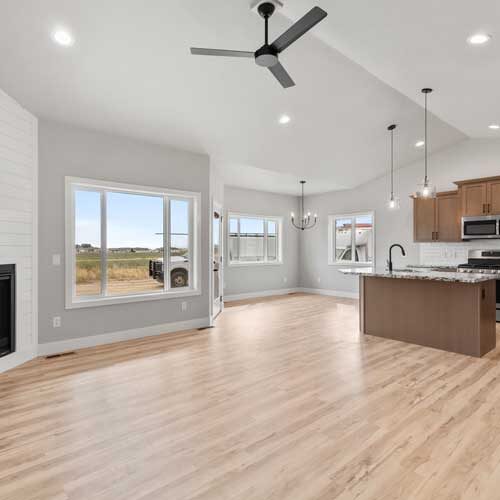
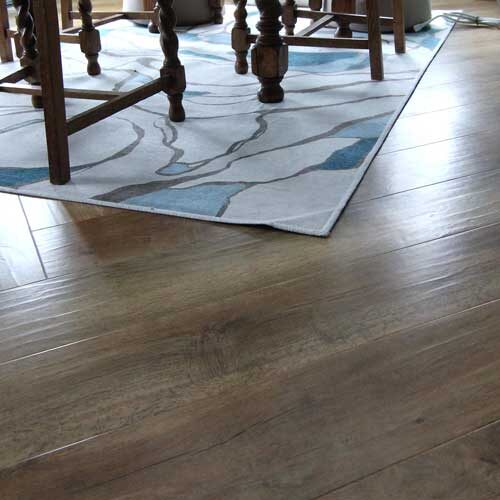
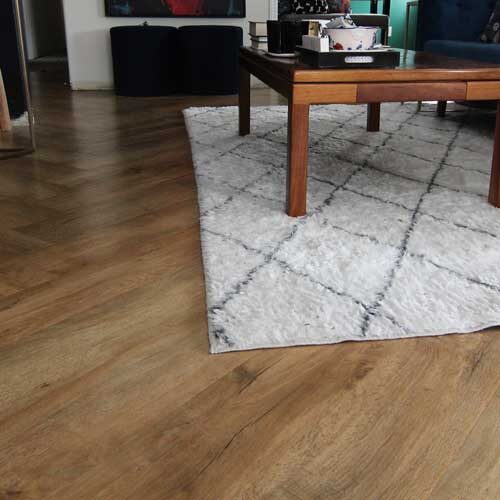
LVP is waterproof at the core and handles Montana’s humidity swings without movement, which is why it holds up well through winter. But seams and edges are still worth checking before moisture season.
Inspect seams at exterior door thresholds. The most common LVP problem in Great Falls winter is glue-down seams lifting at exterior entries where standing water from wet boots accumulates. If a seam is lifting slightly in fall, reseal it now with a compatible flooring adhesive before the first winter boot traffic pounds it further open.
Check floating LVP for clicking sounds. Floating LVP planks that have separated from their click-lock connection produce a hollow or clicking sound underfoot. This is usually caused by a subfloor high spot or a plank that was not fully engaged at installation. Fall is the time to identify and re-engage those planks before they create a tripping hazard or allow debris to collect in the gap.
Inspect laminate seams for moisture swelling. Waterproof laminate that has experienced seam infiltration — from tracked-in water or a cleaning error — shows swelling and slight ridge lines at the seams. If you find this, address it before winter adds more moisture stress to an already compromised seam.
“I always have a good experience when I go to Pierce’s. Everyone is always very friendly and helpful. I would refer anyone to them.”
– Anonymous, Great Falls, MT
Your Carpet and Area Rug Fall Checklist
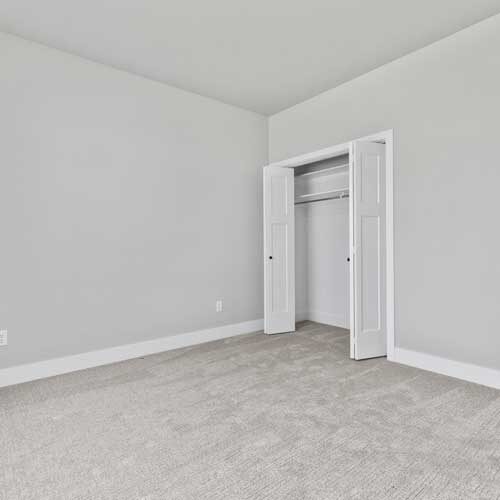
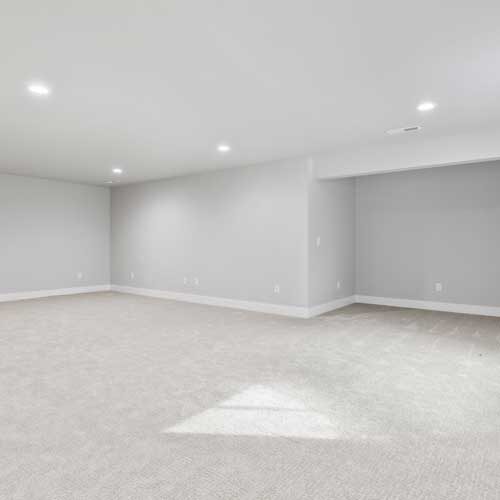
Fall is one of the two best times for carpet cleaning in a Montana home. Spring post-mud-season is the other. Cleaning in fall removes the summer’s accumulated soil before it gets ground in under winter boot traffic and creates a clean baseline for the hardest-use months of the year.
Schedule professional carpet cleaning before October. Summer foot traffic, pet activity, and outdoor grit embed deeply in carpet pile. Professional hot-water extraction removes soil that vacuuming cannot reach, and doing it before boot season means that embedded soil does not become the base layer for a winter’s worth of additional tracking.
Vacuum thoroughly before the cleaning appointment. Pre-vacuuming removes surface debris so the professional cleaning equipment can focus on embedded soil. Do a thorough vacuum of all carpeted areas, including edges and under furniture, in the week before your scheduled cleaning.
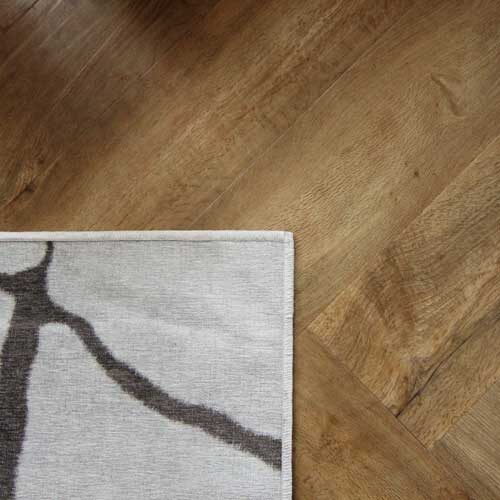
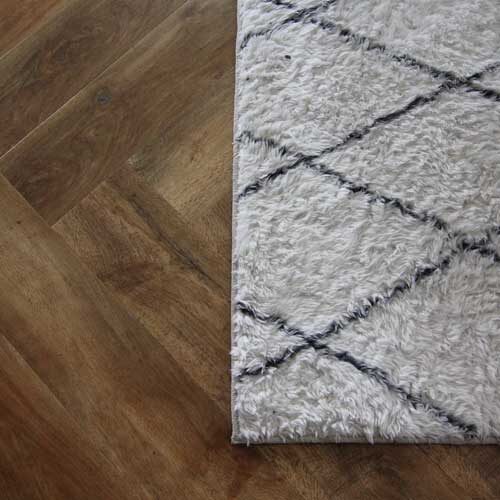
Check area rugs for moisture retention. Outdoor area rugs or rugs near entry points sometimes retain moisture over summer. Lift them and inspect the floor and rug backing for mold or mildew. Rugs with moisture damage should be replaced before they create a subfloor problem over winter. Pierce Flooring Wholesale Direct carries area rugs and offers binding services for custom-size carpet remnant runners.
For more on selecting the right carpet fiber for Montana’s winter demands, our article on stain-resistant carpet for Montana winters covers fiber types and what holds up best in Great Falls homes.
“Absolutely excellent people, especially Phil Mahoney. Great deal, super honest, helped us all of the way through.”
– Jose I. G., Great Falls, MT
The Entry Zone Strategy That Protects Everything Else
The single highest-impact thing you can do for every floor type in your home is protect the transition from outside to inside. Most of the damage Montana winters do to floors enters at the door.
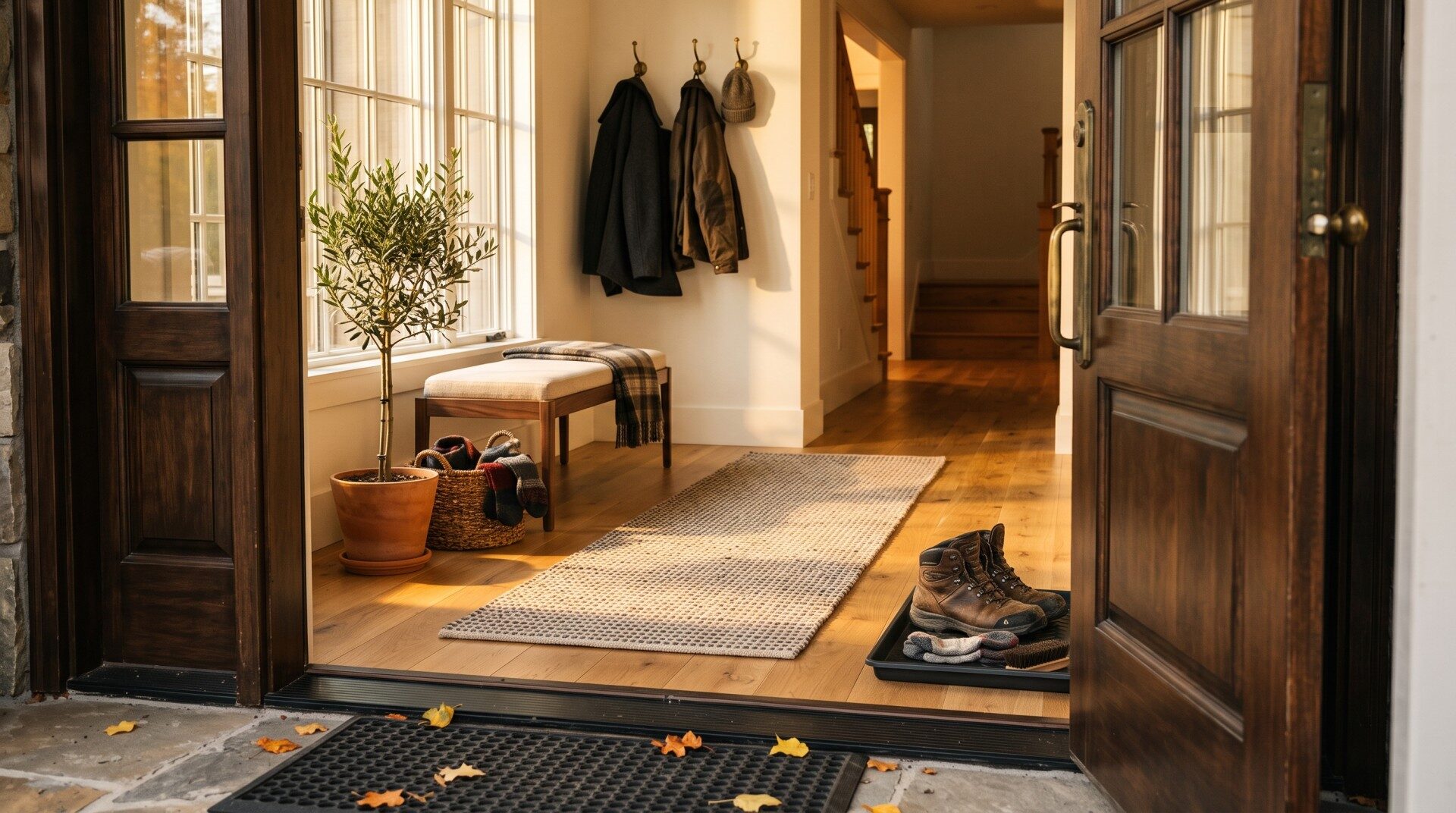
Exterior boot mat. A heavy-duty scraper mat outside each exterior door catches the bulk of mud, gravel, and road salt before it reaches the threshold. Choose a mat with stiff bristles or a rubber scraper surface rather than a soft doormat that absorbs rather than scrapes. Plan for at least 3 feet of length so most of the foot comes in contact with the mat.
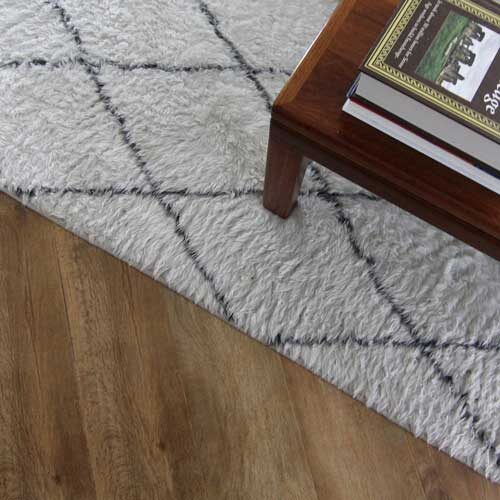
Interior washable runner. A 4-foot or longer washable runner inside the door catches residual moisture and fine grit that survived the exterior mat. Machine-washable fabric runners are ideal — they can be cleaned weekly through the worst of winter without hassle.
Boot tray. A waterproof boot tray placed just inside the door prevents wet boots from sitting directly on hardwood, LVP, or carpet while they dry. This eliminates the pool of snowmelt that is the most common source of seam lifting and hardwood moisture damage at entry points.
This three-layer system — exterior scraper mat, interior runner, boot tray — is the most effective floor protection investment in a Montana home, and it costs less than one square foot of replacement flooring.
Pro Tip from Pierce Flooring Wholesale Direct in Great Falls:
Book your free in-home floor assessment in August or September, not November. By October, our calendar fills with homeowners dealing with problems that are now urgent. In September, the same visit is diagnostic and preventive — we look at every floor type in your home, check subfloor conditions at the key moisture entry points, and flag anything that needs attention before the first freeze. There is no charge for the assessment and no obligation. If nothing needs to be done, you will know that too. Call (406) 727-3832 or stop in at 1204 7th St S to get on the fall schedule before it fills up.
Frequently Asked Questions: Fall Flooring Prep in Great Falls
When is the best time to do fall flooring prep in Great Falls?
August and September are the ideal window. Fall conditions in Great Falls are stable enough that floor issues are still minor and addressable. By October, chinook events and the onset of heating season create conditions that accelerate any existing problem. Pierce Flooring Wholesale Direct’s free in-home assessment visits fill up quickly in fall — booking in August or September gives you the most options.
Should I fill the gaps in my hardwood floor before winter?
No. Gaps in hardwood flooring are normal seasonal movement caused by low humidity. They will close again in spring when humidity rises. Filling them with caulk or wood filler prevents that natural closure and can cause buckling when the wood expands. If gaps are wide enough to catch a credit card or show subfloor, that warrants a professional assessment — but the answer is humidity management, not filling.
How often should carpet be professionally cleaned in a Great Falls home?
At least once per year for most Great Falls households, and twice per year (fall and spring) for homes with heavy winter boot traffic, pets, or children. Fall cleaning removes summer soil before winter embeds it further; spring cleaning removes road salt, mud, and winter traffic before the warmer months set in.
What indoor humidity level should I maintain through a Montana winter?
The National Wood Flooring Association recommends 30 to 50 percent relative humidity for wood floors year-round. In Great Falls, winter heating drops indoor RH well below that range without active management. A whole-house bypass humidifier on your HVAC system, monitored with a basic hygrometer, is the most reliable way to maintain the 35-to-50-percent range through the heating season.
Does Pierce Flooring Wholesale Direct offer fall floor assessments?
Yes. Pierce Flooring Wholesale Direct in Great Falls offers free in-home floor assessments with no obligation. A specialist visits your home, reviews the condition of your floors by type, checks moisture conditions at key entry points and subfloor transitions, and identifies any issues worth addressing before winter. Call (406) 727-3832 or stop in at 1204 7th St S to schedule.
You Might Also Like
-
- Flooring
October 9, 2026
Designing a Kitchen Backsplash with Great Falls’ Top Tile Brands
-
- Flooring
October 7, 2026
How to Choose Tile for Your Great Falls Kitchen Floor
-

- Flooring
September 16, 2026
Commercial Flooring in Great Falls: What Montana Businesses and Property Managers Need
Need Quality Flooring at Wholesale Prices?
Get in touch today and let’s find the right solution for your next project.