- Flooring
Best Flooring for Great Falls Basements: Moisture, Climate, and What Actually Works
August 26, 2026
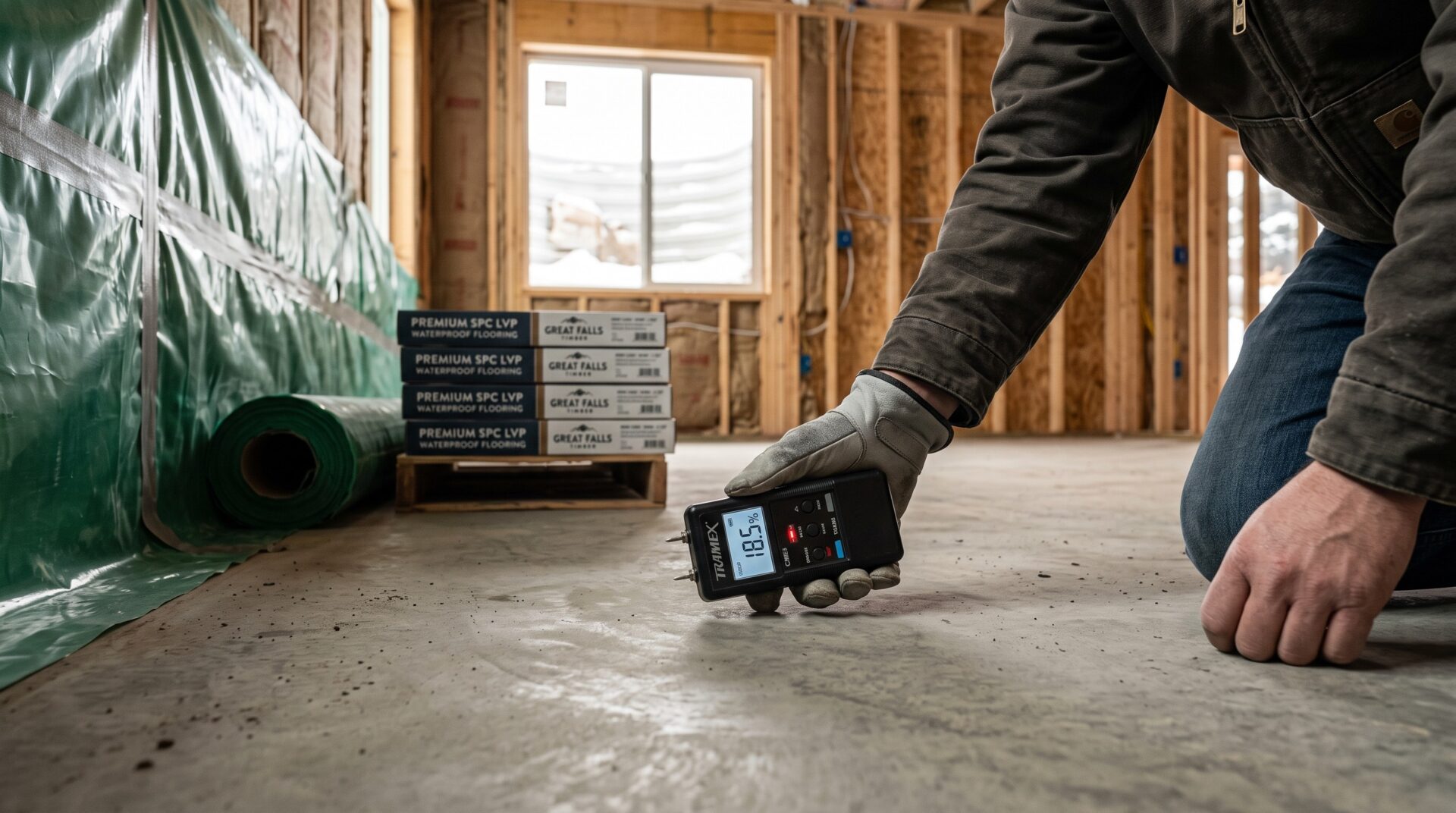
Most national guides to basement flooring miss the Montana variable entirely. They talk about moisture in general terms, recommend LVP or tile, and move on. What they do not account for is Great Falls specifically: glacial clay soils that retain snowmelt for weeks, spring moisture cycles that push subfloor humidity up from April through June, and the kind of slab-on-grade construction that is common in this market and creates a direct path for ground moisture to reach the floor system.
Finding the best flooring for basements in Great Falls means starting with the moisture question, not the aesthetic one. Here is what actually holds up below grade in Montana’s climate, and what does not. If you want a professional assessment of your specific basement conditions before you commit to a product, call Pierce Flooring Wholesale Direct at (406) 727-3832 for a free in-home consultation.
Key Takeaways
- Great Falls basements face seasonal moisture from clay-heavy glacial soils and spring snowmelt that can persist for weeks. Any flooring installed without subfloor moisture testing and a vapor barrier is at significant risk of failure.
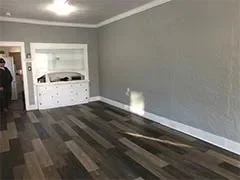
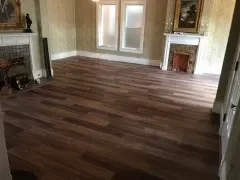
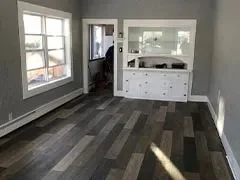
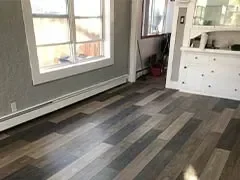
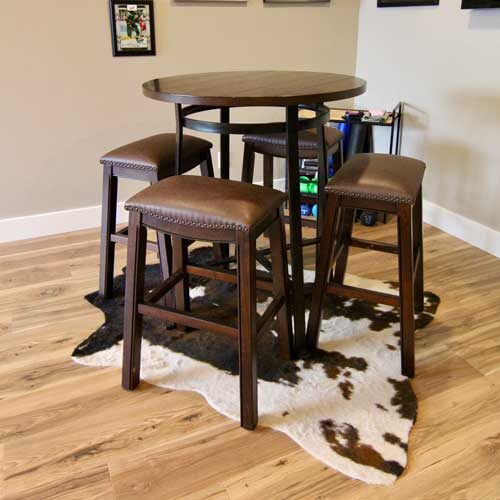
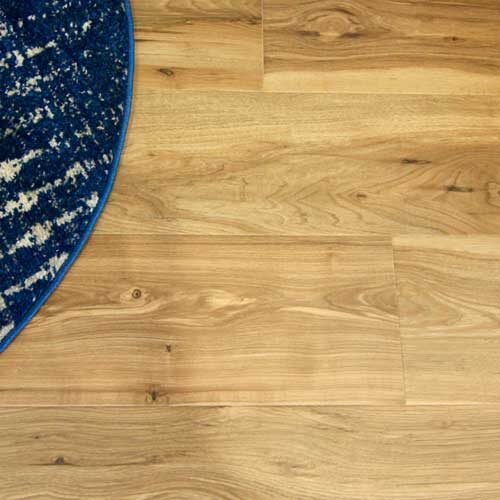
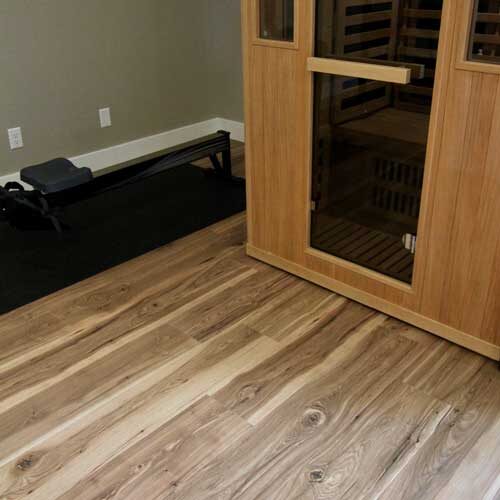
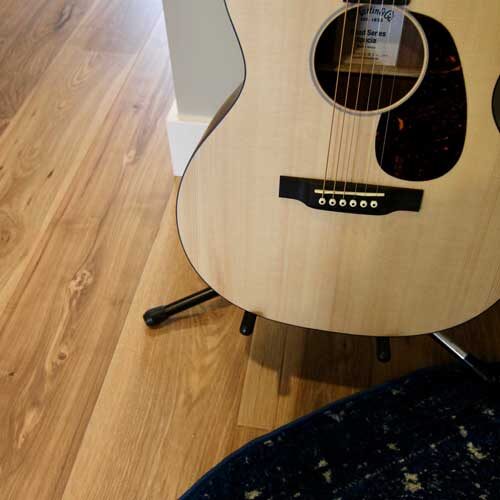
- LVP (luxury vinyl plank) with an SPC or WPC core is the best all-around flooring for Great Falls basements: fully waterproof, unaffected by subfloor moisture cycling, and available in styles that suit finished living spaces.
- Tile is 100% waterproof and an excellent choice for utility and laundry areas in Great Falls basements. Use an uncoupling membrane between tile and the slab to prevent cracking from minor concrete movement.
- Engineered hardwood can work in Great Falls basements only in a minority of below-grade-rated products, with confirmed dry subfloor conditions, a proper vapor barrier, and passing ASTM moisture test results. Most engineered hardwood is not rated for below grade.
- Carpet and solid hardwood are not recommended for Great Falls basements. The seasonal moisture risk from clay soils and snowmelt is too consistent to trust either product in most below-grade applications in this market.
Why Great Falls Basements Are Harder on Flooring Than National Guides Suggest
The soils under Great Falls are dominated by glacial till and clay-heavy lacustrine sediment, the legacy of glacial Lake Great Falls, which covered this area thousands of years ago. That clay-heavy composition is excellent for farming. For basements, it creates a persistent moisture challenge: clay holds water slowly, releasing it over weeks rather than days after snowmelt or heavy rain.
Most Great Falls homes built in the past 50 years sit on concrete slabs or have poured concrete basement walls in direct contact with that soil. When April snowmelt saturates the ground, that moisture migrates toward the concrete and into the slab. It does not announce itself with visible water on the floor. It shows up as elevated subfloor vapor emission that attacks adhesives, wood-fiber cores, and carpet backing from below.
The practical result: flooring that works in a Denver or Minneapolis basement may still fail in Great Falls, not because the product is inferior but because the soil moisture loading here is more sustained and less predictable. Testing comes before product selection.
“The number one mistake we see in Great Falls basement installations is skipping the subfloor moisture test. A floor that feels dry in August can read 85 percent relative humidity at the slab in May. The product does not know what season you installed it in. The moisture does not care.”
– Roger Linn, Flooring Specialist, Pierce Flooring Wholesale Direct
Which Flooring Products Actually Work Below Grade in Montana?
Four product categories are worth considering for Great Falls basements. Two are clear winners. One requires specific conditions. One is for utility spaces only.
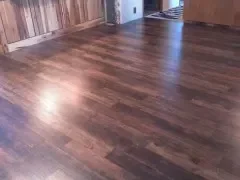
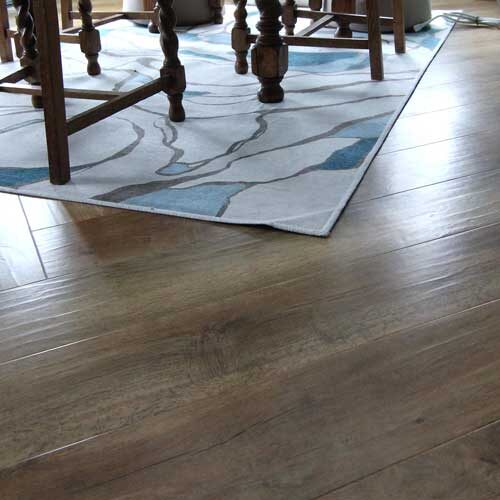
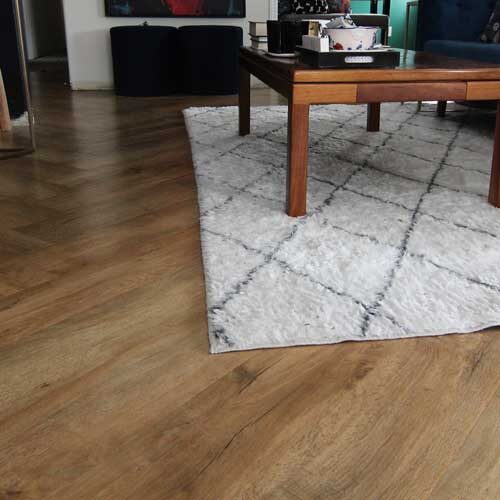
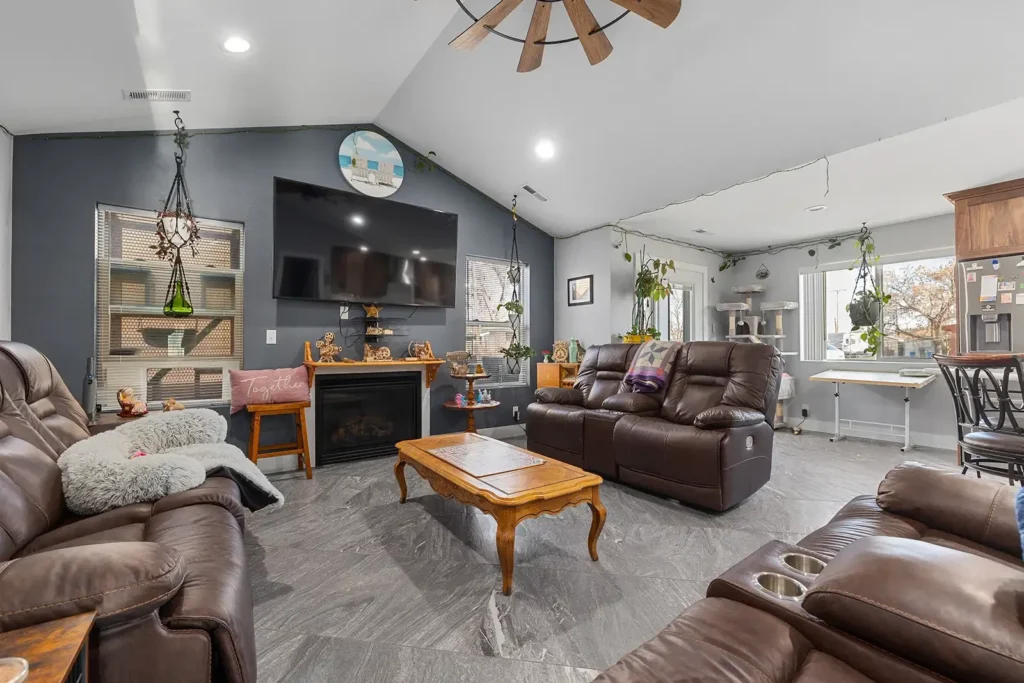
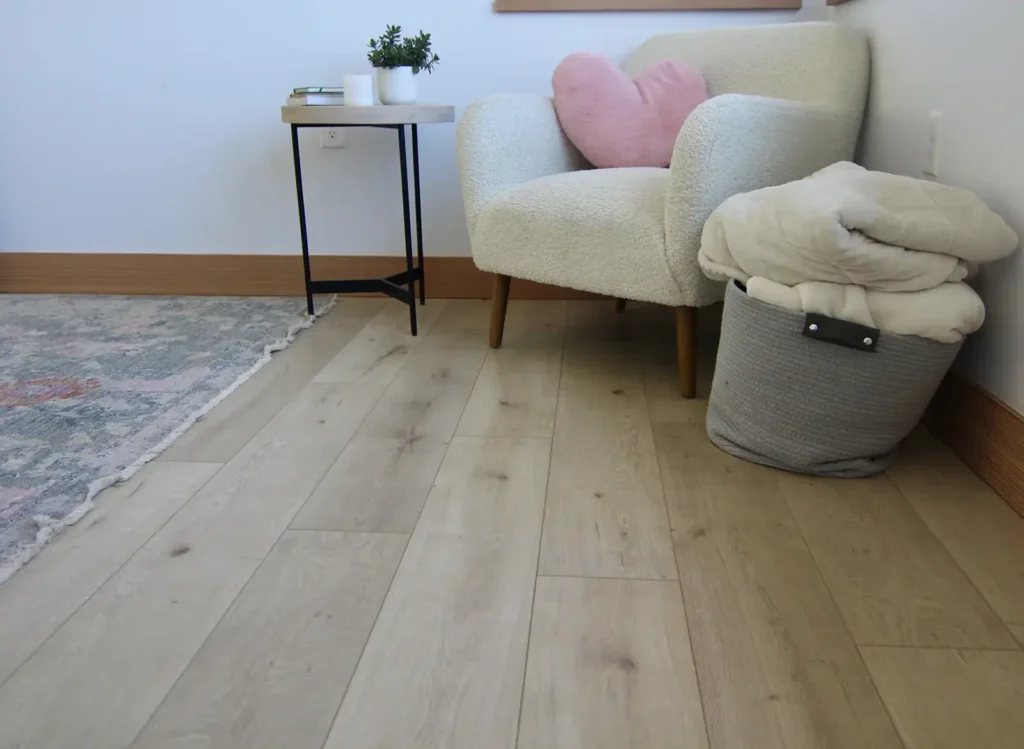
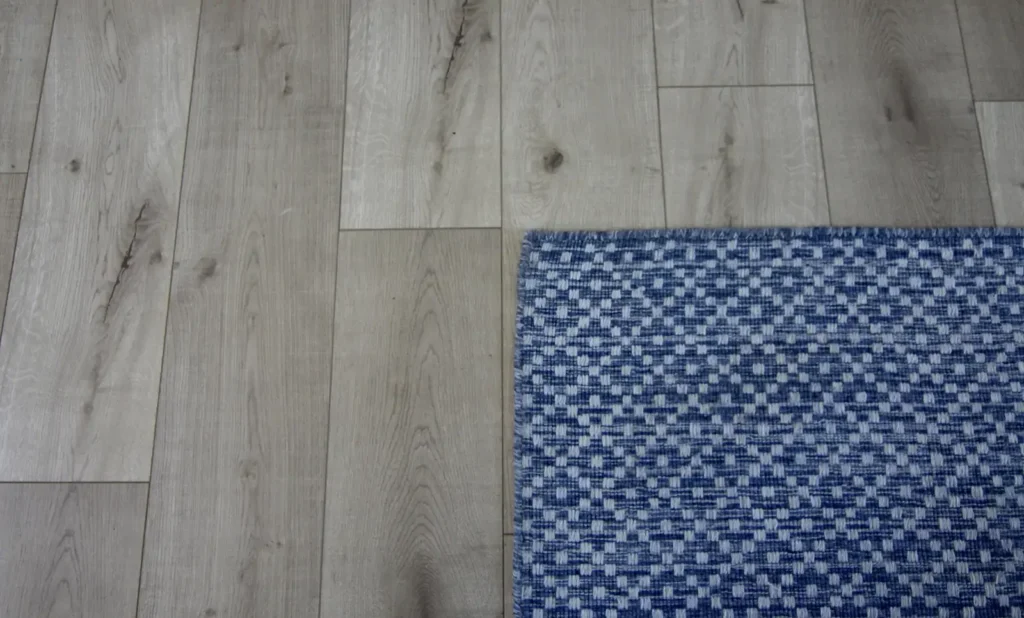
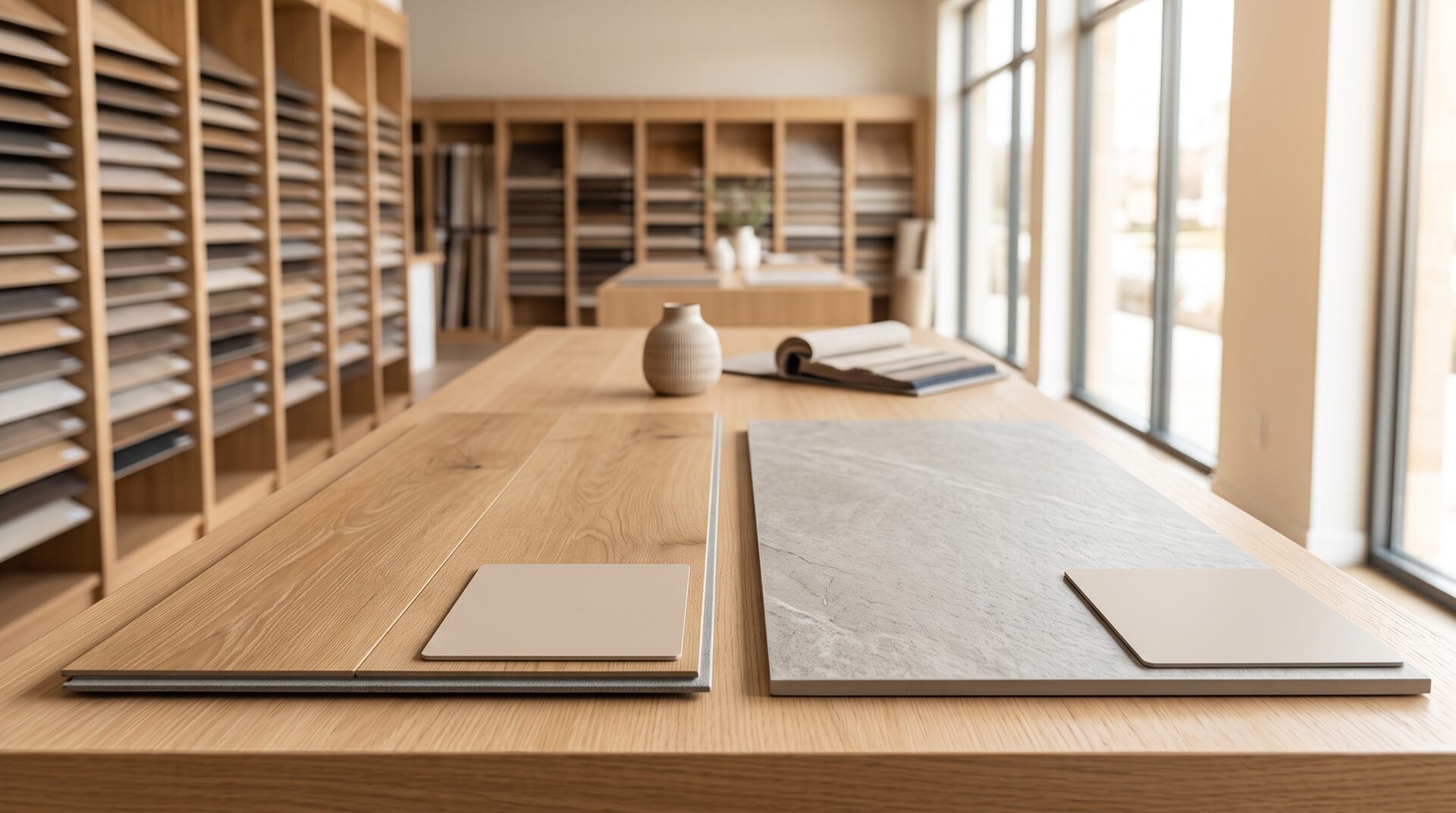
LVP (luxury vinyl plank) – the primary recommendation. SPC-core LVP is fully waterproof through the plank, including the core and the click-lock edges. Subfloor moisture cycling has no effect on the plank itself. For glue-down installations on concrete, use a full-spread moisture-blocking adhesive to prevent any moisture transfer at the bond line. Floating LVP over a moisture barrier underlayment is the most common method in Great Falls basements and the most forgiving for subfloors with minor unevenness. MSI EVERLIFE and CALI, both carried at Pierce Flooring Wholesale Direct in Great Falls, manufacture SPC-core LVP products specifically designed for below-grade applications.
For a detailed comparison of LVP against waterproof laminate, our article on LVP vs. waterproof laminate for Montana homes explains why LVP wins consistently in moisture-prone spaces. Browse the LVP selection at pierceflooringwholesale.com/flooring/vinyl/.
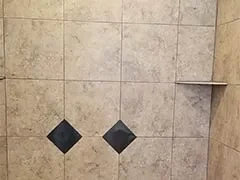
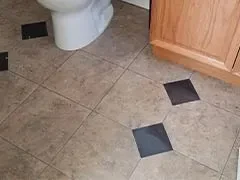
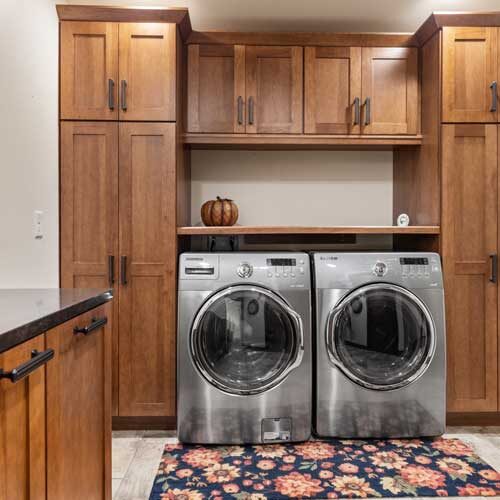
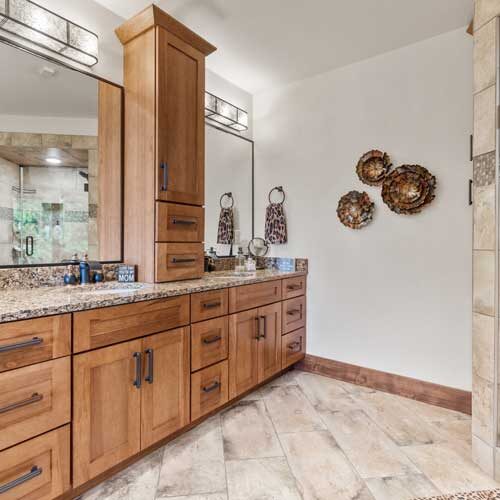
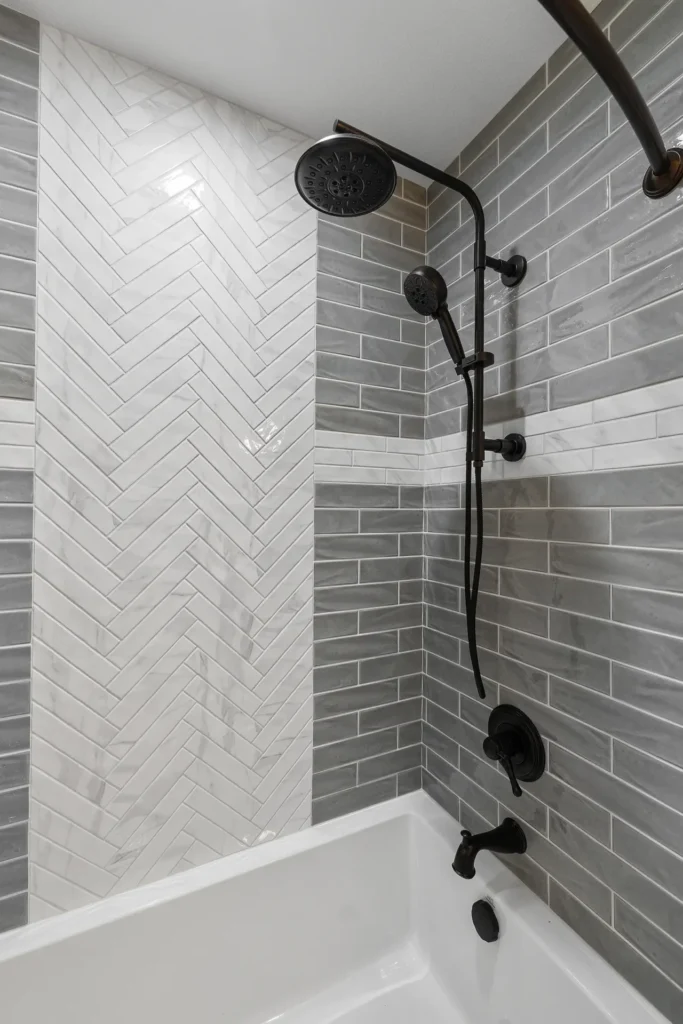
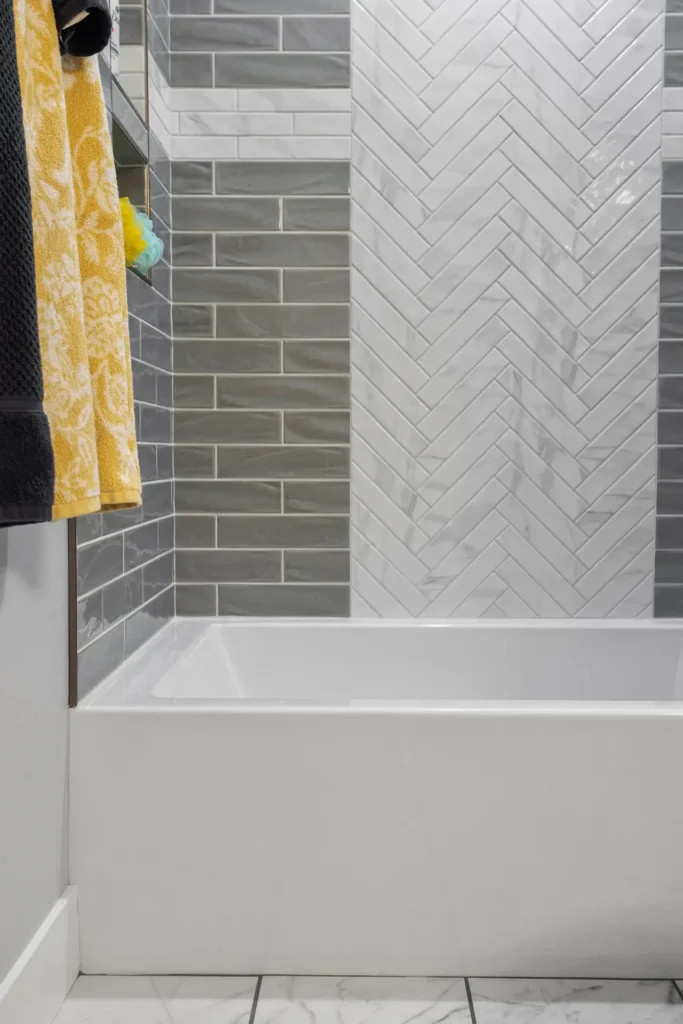
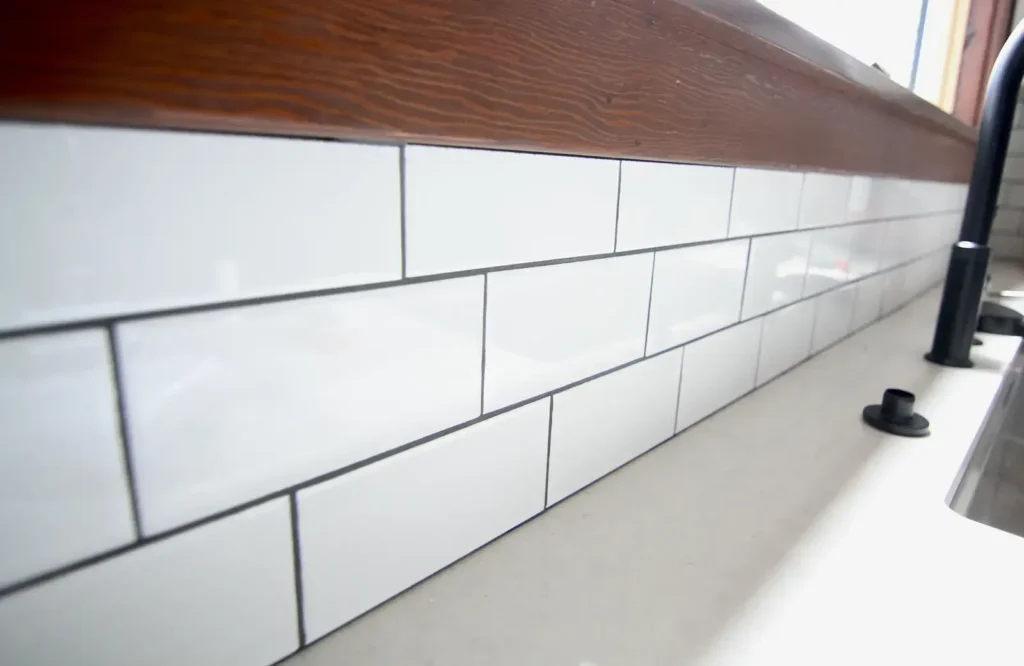
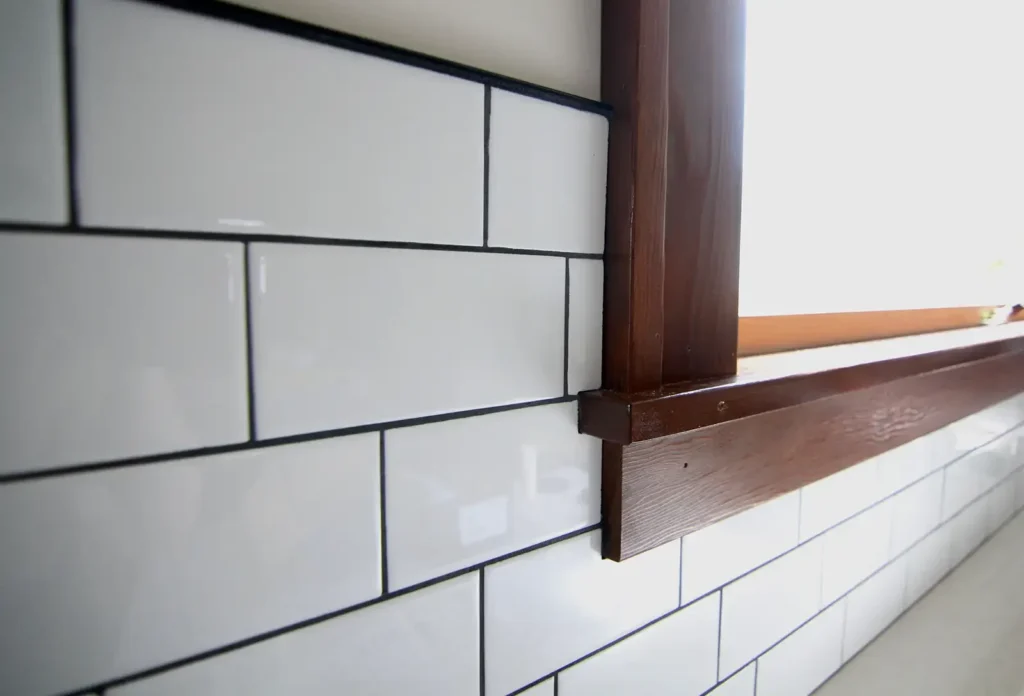
Tile – excellent for utility and laundry areas. Porcelain and ceramic tile are 100% waterproof and impervious to the moisture conditions in any Great Falls basement. The installation consideration is the slab: concrete slabs in Montana can experience minor movement from freeze-thaw cycles at the foundation perimeter. Installing tile directly on a concrete slab without an uncoupling membrane risks cracking at grout joints over time. An uncoupling membrane, such as Schluter DITRA, isolates the tile layer from slab movement and is strongly recommended for any tile installation in a Great Falls basement. See tile options at pierceflooringwholesale.com/flooring/tile/.
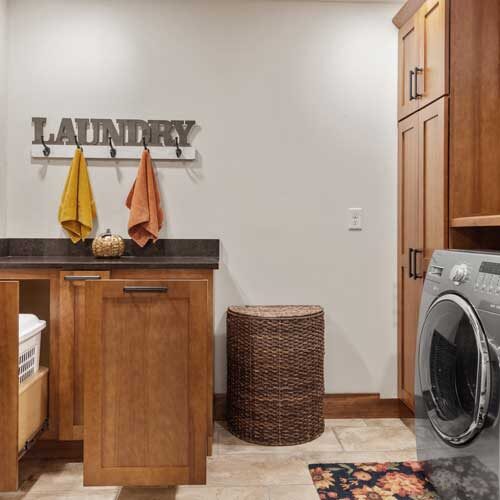
Sheet vinyl – the economical waterproof option. Sheet vinyl installed with full-spread adhesive is fully waterproof at the surface. Its strength is cost and seamlessness in smaller spaces. The limitation is seams: sheet vinyl installed in large basements requires seams that, if not properly heat-welded or factory-fused, can allow moisture infiltration from above (spills) or wicking from adhesive failure below. For a basement laundry room or utility area under 200 square feet, sheet vinyl is a practical choice. For finished living spaces, LVP is a better long-term investment.
“Bob very friendly and knowledgeable. I highly recommend!”
– Kyleen E., Great Falls, MT
What Must You Check Before Installing Anything in a Great Falls Basement?
Two questions answer before a product is selected: how wet does this slab get, and when?
Subfloor moisture testing is not optional in Great Falls. The two standard test methods are the ASTM F1869 calcium chloride test, which measures vapor emission rate from the slab surface over 60 to 72 hours, and the ASTM F2170 in-slab relative humidity probe test, which measures RH at depth in the concrete. Most flooring manufacturers specify acceptable moisture limits for each product. If the test results exceed those limits, no amount of product quality compensates. The moisture source must be addressed first.
The second question is seasonal timing. A basement that tests dry in August may reach unacceptable moisture levels in May. If you are planning a basement installation, test in spring, not summer. Spring test results in Great Falls reflect the worst-case scenario your floor will face in the first year.
Pierce Flooring Wholesale Direct’s team performs free in-home assessments that include a subfloor moisture evaluation. We will tell you what the conditions are, what the product you are considering tolerates, and whether the timing is right for installation.
“Very knowledgeable and experienced staff made purchasing bathroom tile and grout pretty easy. Very good products.”
– Anonymous, Great Falls, MT
What About Carpet or Hardwood in a Great Falls Basement?
These are the two most common questions we get, and the honest answers are short.
Solid hardwood: no. Solid hardwood cannot be installed below grade under any circumstances. The all-wood construction responds to moisture with gapping, cupping, and buckling that no finish or vapor barrier can fully prevent in a subgrade environment. This is a hard rule, not a recommendation.
Engineered hardwood: only in specific conditions and only with specific products. A minority of engineered hardwood products carry a below-grade installation rating. If the product documentation does not explicitly state below-grade approval, assume it is not approved. For the products that are rated, installation in a Great Falls basement still requires passing ASTM moisture test results, a full vapor barrier under the product, and a glue-down or floating installation per the manufacturer’s specs. Our article on engineered hardwood for Great Falls homes covers the full product landscape, including which brands carry below-grade-rated options.
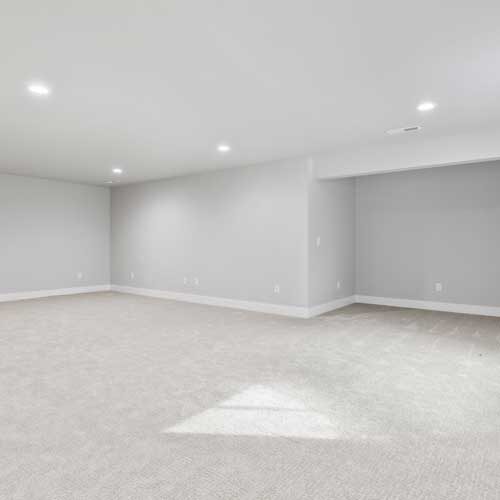
Carpet: not recommended for most Great Falls basements. Carpet retains moisture, provides a hospitable environment for mold and mildew under Montana’s spring moisture cycle, and is extremely difficult to dry if water events occur. For a finished basement with confirmed dry conditions, a moisture barrier pad, and a synthetic fiber carpet, it is possible to make it work in a low-traffic space. For any basement with a history of moisture, any basement in the first few years of occupancy before seasonal patterns are established, or any basement where storage or laundry creates humidity, carpet is the wrong choice.
Stop in at 1204 7th St S in Great Falls, or call (406) 727-3832. Our team offers free in-home consultations and free measurements. Learn more about the Pierce Promise and what it means when you buy from Montana’s largest flooring dealer.
Pro Tip from Pierce Flooring Wholesale Direct in Great Falls:
Always test before you install. For Great Falls basements, use the ASTM F1869 calcium chloride test for a vapor emission reading, or the ASTM F2170 in-slab probe for a relative humidity reading at depth in the concrete. Run the test in spring, between March and June, when soil moisture from snowmelt is at its peak. A summer test that shows acceptable readings can give false confidence in a slab that will reach problem moisture levels three months after the floor goes down. Pierce Flooring Wholesale Direct’s specialists can help you interpret test results against the specific moisture limits for the product you are considering. Do not skip this step.
Frequently Asked Questions: Basement Flooring in Great Falls, MT
What is the best flooring for a Great Falls basement?
LVP with an SPC or WPC core is the best overall choice for most Great Falls basements. It is fully waterproof, handles the clay-soil moisture cycling common in this market, and is available in styles appropriate for finished living spaces. Tile is also excellent for utility areas. Pierce Flooring Wholesale Direct in Great Falls carries MSI EVERLIFE and CALI LVP and a full tile selection.
Can I install laminate flooring in a Great Falls basement?
Standard laminate is not recommended for Great Falls basements. Even waterproof laminate, which resists surface moisture, has an HDF core that can swell if moisture enters the seams or edges — a consistent risk in below-grade Montana conditions. LVP is the waterproof alternative without that vulnerability. For a detailed comparison, see our article on LVP vs. waterproof laminate for Montana homes.
Do I need a vapor barrier under basement flooring in Great Falls?
Yes, in virtually all cases. Montana’s clay-heavy soils retain snowmelt moisture and release it slowly into concrete slabs. A vapor barrier between the slab and the flooring product is essential for any installation in a Great Falls basement, regardless of product type. The specific vapor barrier required varies by product — confirm with the manufacturer’s installation specs.
When is the best time to install basement flooring in Great Falls?
Late summer or fall, after the spring moisture cycle has peaked and subfloor moisture levels have stabilized. Avoid spring installations, when soil moisture from snowmelt is actively pushing into slabs. If you must install in spring, run ASTM F1869 or F2170 moisture tests and confirm acceptable readings before proceeding.
Can tile crack in a Great Falls basement?
Tile installed directly on a concrete slab without an uncoupling membrane can crack at the grout joints from minor slab movement caused by freeze-thaw cycles at the foundation perimeter. An uncoupling membrane, installed between the slab and tile, isolates the tile layer from that movement and is strongly recommended for any tile installation in a Great Falls basement. Properly installed tile with an uncoupling membrane is one of the most durable flooring options available for below-grade applications.
You Might Also Like
-
- Flooring
October 9, 2026
Designing a Kitchen Backsplash with Great Falls’ Top Tile Brands
-
- Flooring
October 7, 2026
How to Choose Tile for Your Great Falls Kitchen Floor
-
- Flooring
September 16, 2026
Commercial Flooring in Great Falls: What Montana Businesses and Property Managers Need
Need Quality Flooring at Wholesale Prices?
Get in touch today and let’s find the right solution for your next project.