- Uncategorized
LVP vs. Waterproof Laminate: Which Wins for Montana Homes?
July 24, 2026
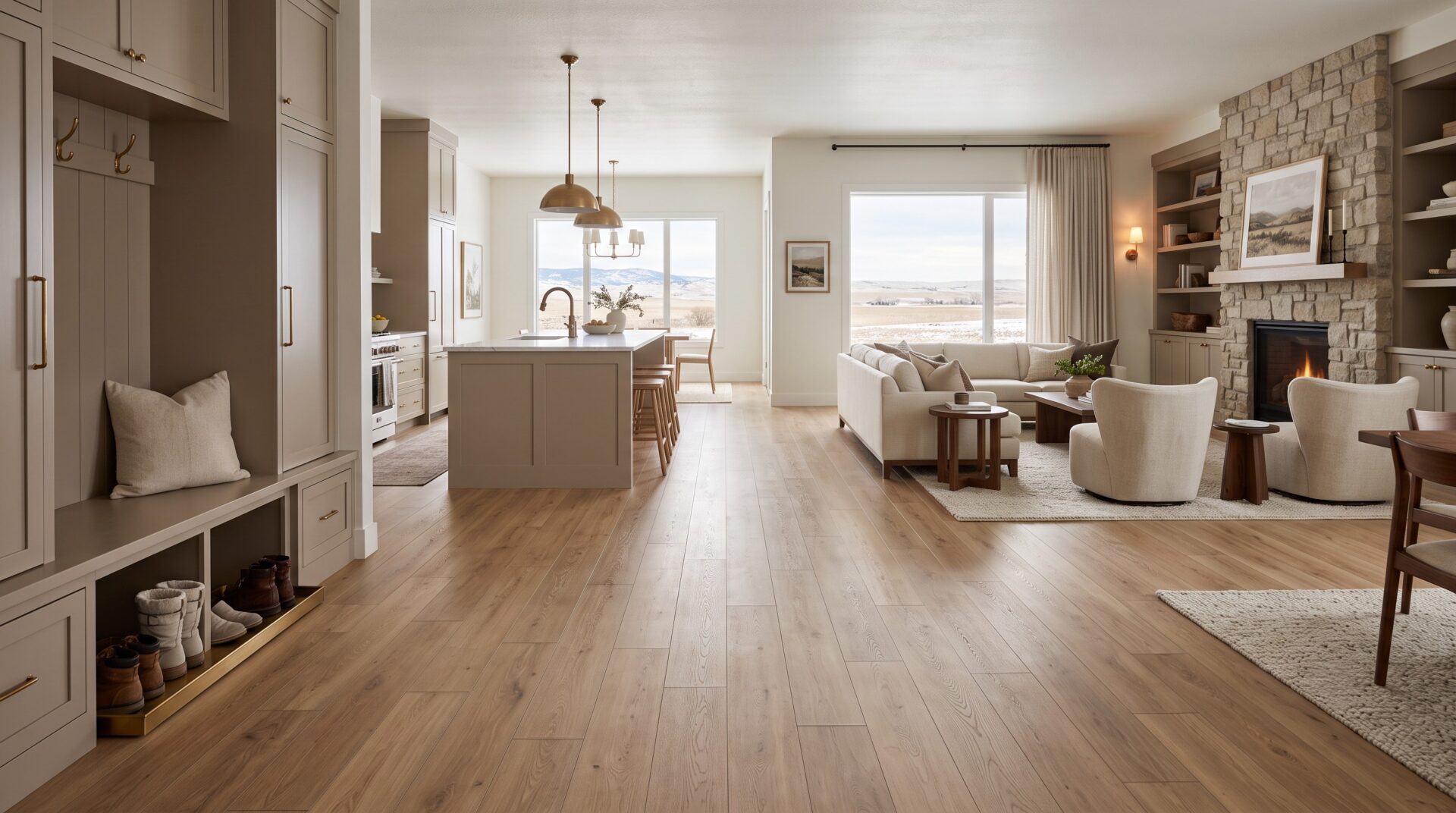
The word “waterproof” on a laminate display does more to confuse Great Falls homeowners than almost any other label in the showroom. It sounds absolute. It is not. And in Montana, where this LVP vs. laminate flooring decision intersects with chinook humidity swings, spring snowmelt, and clay-heavy soils, the difference between these two products is not cosmetic. It shapes which floor survives and which one doesn’t.
This is a straight comparison: what each product actually is, how Montana’s climate changes the math, and which floor belongs where in a Great Falls home. To compare samples in person, visit Pierce Flooring Wholesale Direct at 1204 7th St S or call (406) 727-3832 to schedule a free design consultation.
Key Takeaways
– LVP (luxury vinyl plank) is 100% waterproof through the core. “Waterproof laminate” resists surface moisture, but the HDF (wood-fiber) core can swell if water enters seams or edges.
– Montana’s chinook events drop indoor humidity below 25% in winter and push it back to the mid-40s by summer, a 20-to-25-point annual swing that LVP’s inorganic SPC core handles without movement.
– For mudrooms, basements, bathrooms, and any Great Falls room with exterior door traffic or plumbing risk, LVP is the recommended choice.
– In dry, climate-controlled living rooms and bedrooms, high-quality waterproof laminate competes strongly and offers an aesthetic closer to solid hardwood underfoot.
– Pierce Flooring Wholesale Direct in Great Falls carries MSI EVERLIFE and CALI LVP lines and Mohawk waterproof laminate, and offers free side-by-side sample consultations.
What Is the Actual Difference Between LVP and Waterproof Laminate?
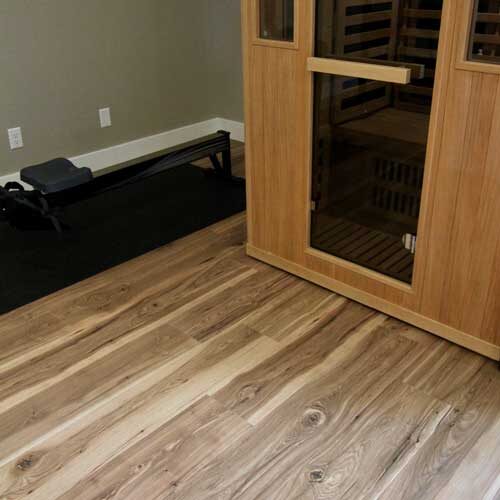
LVP is 100% synthetic throughout. Waterproof laminate is not. That is the most important fact in this comparison, and it is the one that most marketing labels obscure.
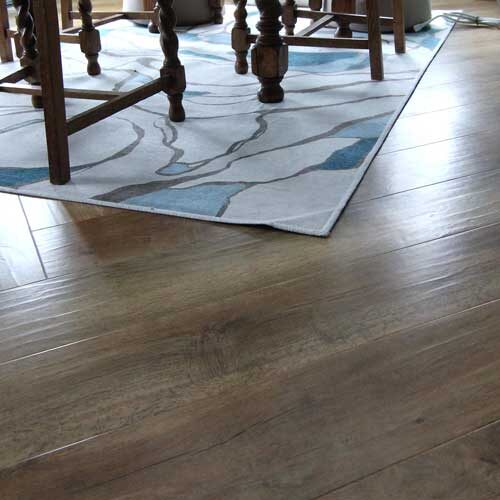
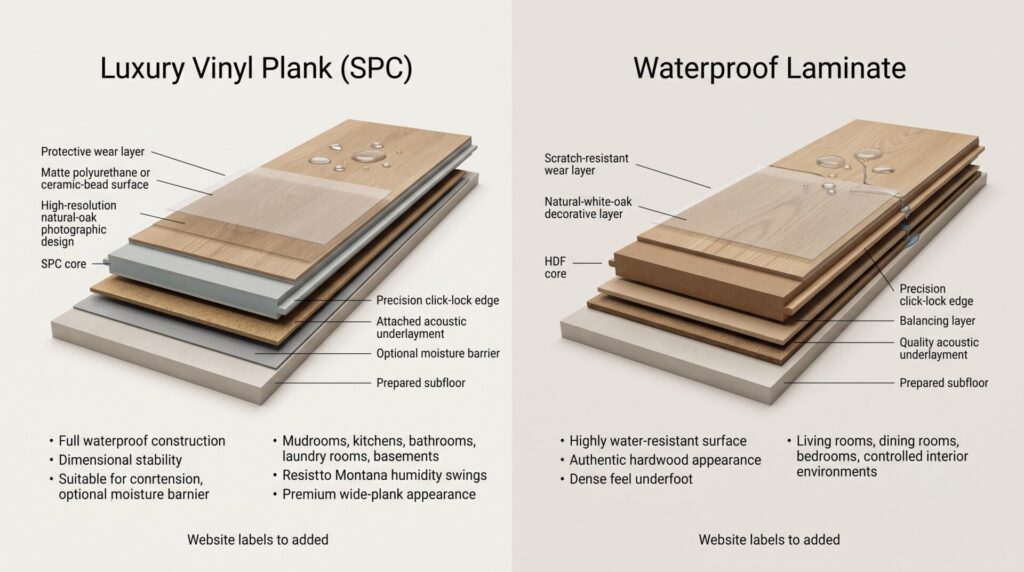
Luxury vinyl plank (LVP) is built from a plastic composite core, either SPC (stone plastic composite) or WPC (wood plastic composite). SPC is denser and more dimensionally stable under Montana’s temperature swings. Either way, the entire plank, including the core and the click-lock edges, is waterproof. The plank core of a quality SPC LVP product remains completely unaffected by standing water, even over extended periods.
Waterproof laminate has a photographic wear layer with a waterproof surface coating. The core is HDF (high-density fiberboard), a wood-fiber material. When a manufacturer calls the product “waterproof,” they typically mean the surface coating resists spills if wiped quickly. If water enters the seam between planks, or along an edge at the baseboard, the HDF core absorbs it. The result: swelling, gapping, and buckling that mirrors what happens to solid hardwood after a water event. Note also that laminate cannot be wet-mopped for this same reason, while LVP can be damp- or wet-mopped freely.
This distinction shapes every room-by-room recommendation for a Montana home.
Does Montana’s Climate Make LVP the Safer Choice for Most Rooms?
For moisture-prone rooms in Great Falls, yes. For dry, controlled living spaces, the comparison is closer.
Great Falls sits directly in the path of chinook wind systems off the Rocky Mountain Front. These winds can push temperatures up 40 to 50 degrees in under 24 hours and collapse indoor relative humidity to 20 to 25 percent in the process. By summer, that humidity climbs back to the mid-40s. This annual swing of 20 to 25 points is one of the most demanding humidity cycles in the country for any wood-based flooring product.
LVP handles this without dimensional change in the core. Because the SPC or WPC core is inorganic, it does not absorb or release moisture as the air shifts. It expands slightly with temperature, but quality SPC-core LVP minimizes even that.
Modern waterproof laminate performs well in the 35 to 55 percent relative humidity range typical of a climate-controlled Great Falls living room. In a mudroom where boots drip snowmelt, or a basement where seasonal soil moisture raises subfloor humidity, the laminate faces cumulative stress from the seams inward that LVP does not.
“The customers we see switching from laminate to LVP almost always come in because of moisture. They loved how the laminate looked, but had problems near the back door or in the basement. In dry, controlled rooms, laminate is a great floor. The issue is always where homeowners install it.”
– Roger Linn, Flooring Specialist, Pierce Flooring Wholesale Direct
“Bob very friendly and knowledgeable. I highly recommend!”
– Kyleen E., Great Falls, MT
Where Does Each Floor Type Win in a Great Falls Home?
Most customers in our Great Falls showroom get the most value from using both, in the right rooms.
LVP performs best in: mudrooms and entry areas where snow and slush are tracked in from October through April; basements, where Montana’s clay-heavy glacial soils create seasonal moisture at the subfloor; bathrooms and laundry rooms; kitchens in active households; rental properties where turnover durability matters; and homes with pets.
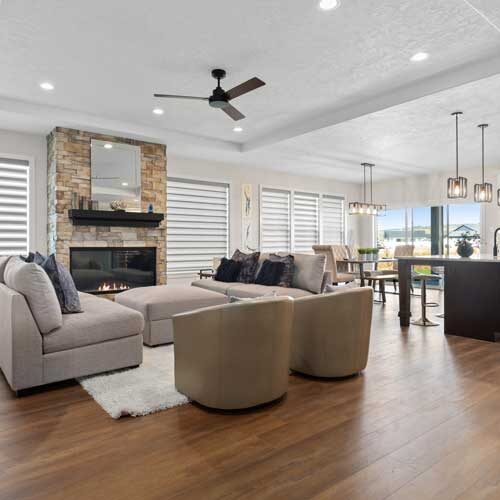
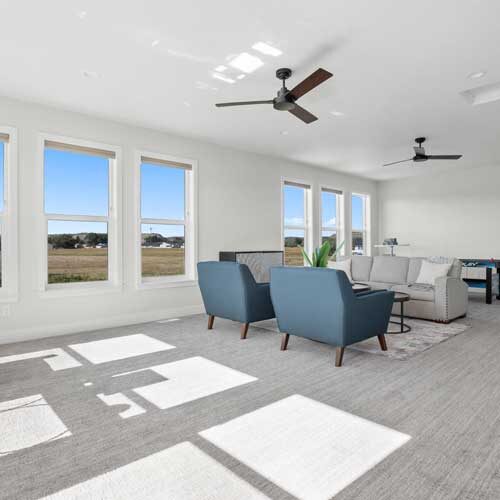
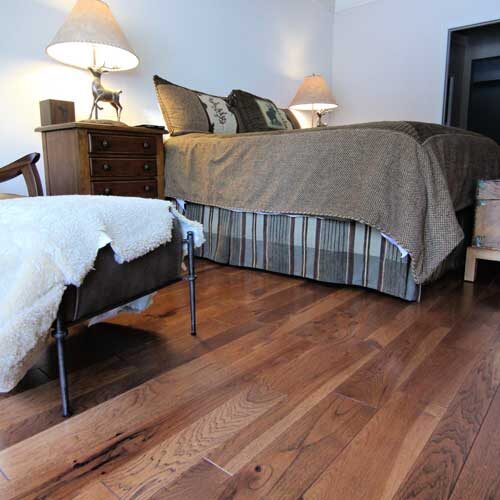
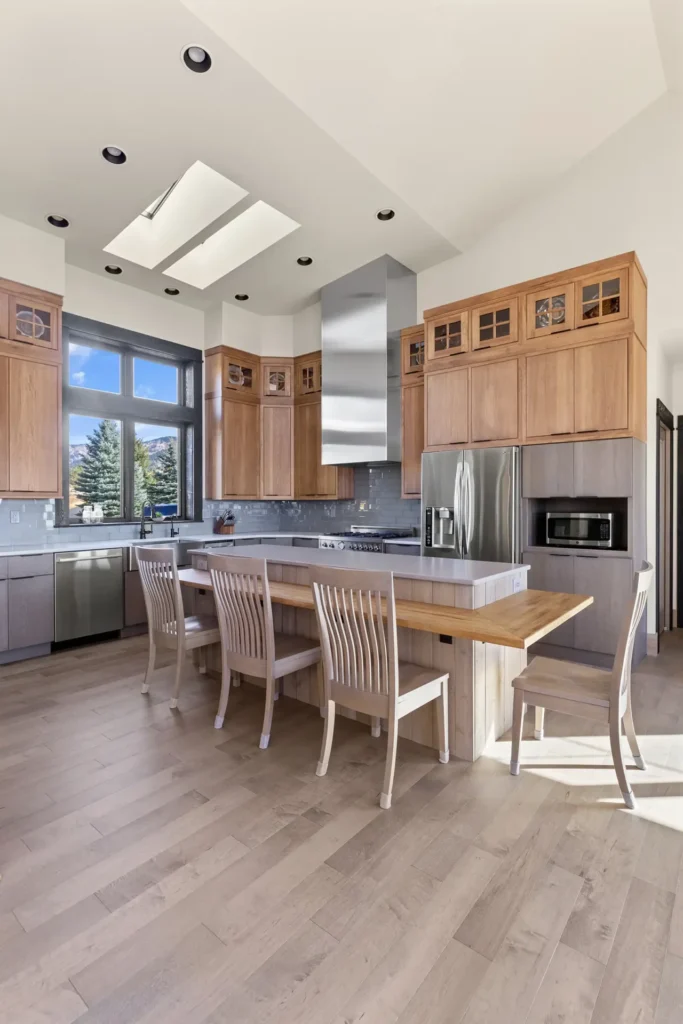
Waterproof laminate performs best in: living rooms and dining rooms with consistent indoor climate; bedrooms, where a slightly firmer and warmer feel underfoot matters; open-plan main floors where authentic hardwood aesthetics are the priority; and spaces where you prefer the acoustic density of a wood-fiber core.
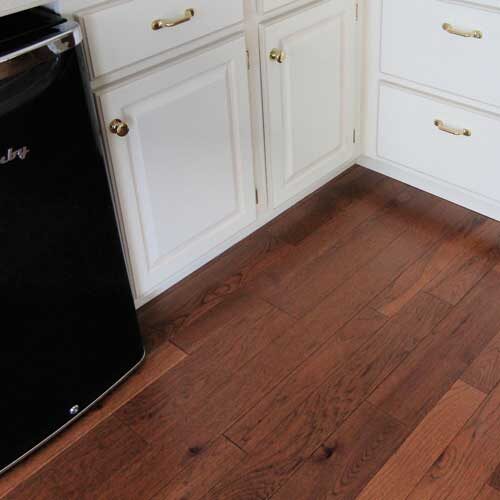
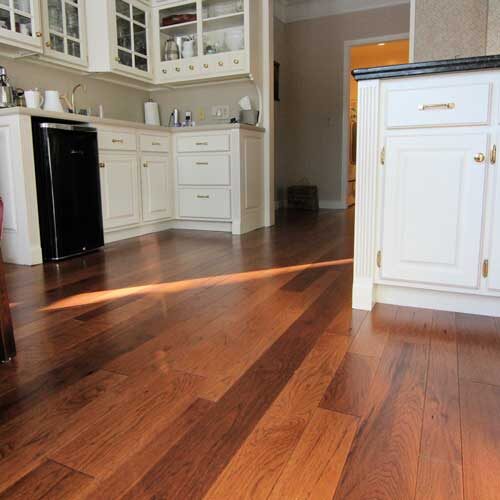
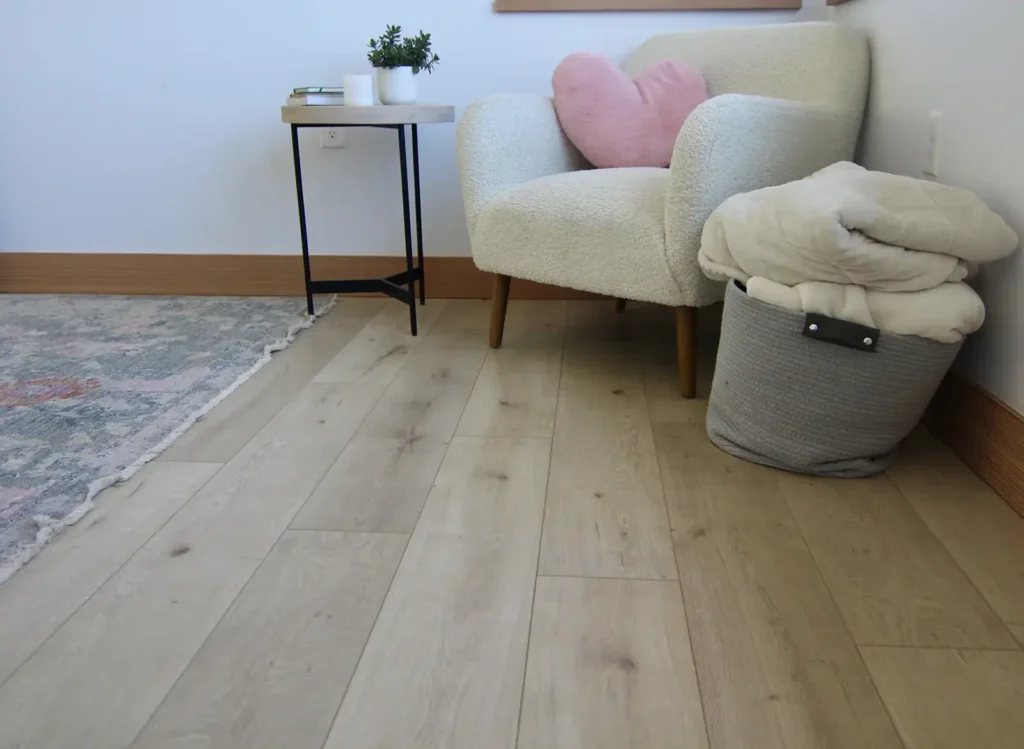
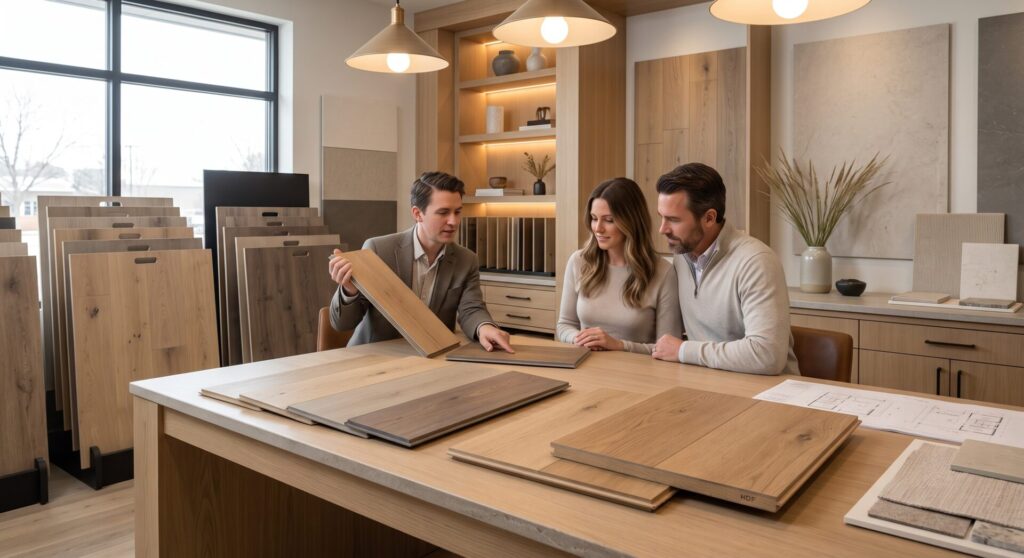
Most customers notice one clear difference when comparing the two in person: laminate feels more like real wood. It is slightly warmer in winter and acoustically denser. In a living room or bedroom with stable RH in the 35 to 55 percent range, high-quality waterproof laminate competes with LVP on every dimension except one: moisture immunity at the seam.
What Does “Waterproof” Actually Cover in a Laminate Warranty?
Read the fine print on any waterproof laminate warranty and you will find a consistent pattern: damage from standing water, seam infiltration, and subfloor moisture transmission are excluded. That is not deception. The “waterproof” claim applies to the surface coating, not the product as a whole.
LVP warranties, by contrast, cover moisture damage more broadly, because the core is genuinely waterproof. The exposure pathways that exclude laminate warranty claims simply do not exist with LVP.
“We pull out the warranty documents on both products when homeowners are comparing them side by side. Most people are surprised. They assumed ‘waterproof’ meant the same thing on both. Once they see where the coverage stops on the laminate, the decision usually becomes a lot clearer.”
– Phillip Mahoney, Flooring Specialist, Pierce Flooring Wholesale Direct
You can review both product lines at pierceflooringwholesale.com/flooring/laminate/ and pierceflooringwholesale.com/flooring/vinyl/. Our Great Falls team will pull the warranty documents alongside the samples so you see exactly what you are buying.
“I always have a good experience when I go to Pierce’s. Everyone is always very friendly and helpful. I would refer anyone to them.”
– Anonymous, Great Falls, MT
Which Should You Choose for Your Great Falls Home?
For most Great Falls homes, the best answer is both products, each in the right room.
Use LVP in the mudroom, basement, kitchen, bathrooms, and anywhere with exterior door traffic or plumbing. The Resilient Floor Covering Institute’s standards for LVP confirm what Pierce Flooring Wholesale Direct’s team sees in practice: properly installed SPC-core LVP handles residential moisture exposure better than any wood-fiber product. MSI EVERLIFE and CALI are the LVP lines we carry that are engineered specifically for high-swing humidity environments like Montana’s.
Use waterproof laminate in living rooms, dining rooms, and bedrooms where climate is consistent and the aesthetic priority is the most authentic hardwood character. Mohawk’s waterproof laminate lines deliver a convincing wood look for main floors in Great Falls homes.
Browse LVP at pierceflooringwholesale.com/flooring/vinyl/ and laminate at pierceflooringwholesale.com/flooring/laminate/. Stop in at 1204 7th St S in Great Falls. Our team offers free design consultations and free in-home measurements. Learn more about the Pierce Promise and what comes with every Pierce Flooring Wholesale Direct purchase.
Pro Tip from Pierce Flooring Wholesale Direct in Great Falls:
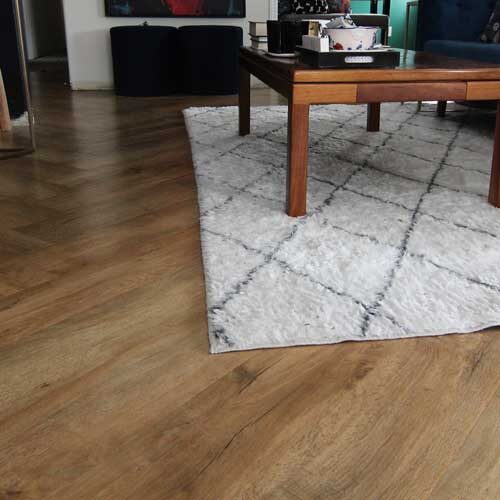
If you are using LVP in one room and waterproof laminate in an adjacent room, look for products in the same color family. A warm-toned LVP plank in the mudroom can read as intentional next to a warm-toned laminate in the living room without looking mismatched. Our design team coordinates room-to-room transitions like this regularly, and it is one of the advantages of working with a full-service showroom rather than ordering online. Ask for a floor plan walkthrough when you visit.
Frequently Asked Questions: LVP vs. Waterproof Laminate in Montana
Is “waterproof laminate” actually waterproof?
No, not entirely. The surface coating resists spills if wiped quickly, but the HDF core can swell if water enters the seams or edges. LVP is fully waterproof through the core, including the click-lock edges. For any Great Falls room with real moisture exposure, LVP is the more reliable choice.
Which product handles Montana’s chinook humidity swings better?
LVP, because its SPC or WPC core is inorganic and does not respond to humidity changes. Modern waterproof laminate performs well in stable 35 to 55 percent relative humidity ranges, such as a climate-controlled living room. The difference becomes significant in spaces with repeated or seasonal moisture exposure, which are common in Great Falls homes.
Can I install laminate in my Great Falls basement?
Pierce Flooring Wholesale Direct does not recommend laminate for Great Falls basements. Montana’s clay-heavy glacial soils and seasonal snowmelt create subfloor moisture conditions that stress laminate floors over time, regardless of surface waterproofing. LVP is the right choice below grade.
How long does LVP last compared to waterproof laminate?
Both can last 15 to 25 years or more with proper installation, depending on wear layer thickness (typically 6 to 20 mil for residential products). LVP holds up better in moisture-prone spaces. Quality laminate with a thicker wear layer often holds up better in dry rooms with heavy foot traffic. Ask Pierce Flooring Wholesale Direct about wear layer options when comparing specific products.
Does LVP work with radiant floor heating?
Many LVP products are compatible with radiant heating systems, but compatibility varies by product and manufacturer temperature specifications. Waterproof laminate is also compatible with some radiant systems. Always confirm the specific product’s temperature rating before installation.
You Might Also Like
Need Quality Flooring at Wholesale Prices?
Get in touch today and let’s find the right solution for your next project.